There is a quiet wisdom in nature’s ability to adapt without struggle, to move fluidly with the world’s rhythms. Watching birds drift on invisible currents, or leaves dance with the wind, we are reminded that life doesn’t always need to be controlled or directed. Nature teaches us that sometimes the most powerful approach is to release our grip, allowing ourselves to be carried by forces larger than we are. In these moments of surrender, there is freedom, a sense of harmony that we often miss in our constant pursuit of structure.
In a world that values control and certainty, letting go can feel like an act of defiance. Yet, nature shows us that letting go is not a loss; it is a way to gain perspective. When we stop resisting, we become more open to the beauty and possibilities around us, discovering paths we might never have considered. The seagull soaring across the sky or the river winding its way through rocks doesn’t fight against its environment. Instead, it moves with it, finding balance within change, strength within adaptation. In observing these unscripted movements, we see that true resilience often lies in flexibility.
By embracing the art of letting go, we allow ourselves to experience life as it unfolds, unburdened by rigid expectations. We find that life’s currents, unpredictable as they may be, often carry us to places we need to be. Like nature’s unscripted dance, we learn to trust the process, finding peace in the understanding that not everything requires control.
Most of the world is very poor. Billions of people go hungry, can’t afford a doctor when they get sick, don’t have adequate shelter and sanitation, and struggle to exercise the freedoms essential to a good life because of material deprivation.
But for all the immiseration around us, one thing is undeniable: For the past several centuries — and especially for the past 70 years, since the end of World War II — the world has been getting much richer.
Đỉnh núi Everest
That economic boom means a lot of things. It means cancer treatments and neonatal intensive care units and smallpox vaccines and insulin.
It means, in many parts of the world, houses have indoor plumbing and gas heating and electricity.
It means that infant mortality is down and life expectancies are longer.
But an increasingly wealthy world also means we eat more meat, mostly from factory-farmed animals. It means we emit lots more greenhouse gases. It means that consumers in developed countries buy a lot and throw away a lot.
In other words, it means a lot of good things and certainly some bad things as well.
Mainstream climate and environmental policy has developed over the years with a certain assumption — that we can get rid of the bad things while still preserving the good things. That is, it’s sought to figure out how to reduce carbon emissions, preserve ecosystems, and save endangered species while continuing to improve material living conditions for everyone in the world.
The charred remains of a home destroyed by the Bootleg Fire just north of Bly, Oregon, on July 24.
But to a vocal slice of climate activists, that approach seems increasingly doomed. The degrowth movement, as it’s called, argues that humanity can’t keep growing without driving humanity into climate catastrophe. The only solution, the argument goes, is an extreme transformation of our way of life — a transition away from treating economic growth as a policy priority to an acceptance of shrinking GDP as a prerequisite to saving the planet.
At the core of degrowth is the climate crisis. Degrowth’s proponents argue that to save Earth, humans need to shrink global economic activity, because at our current levels of consumption, the world won’t hit the IPCC target of stabilizing global temperatures at no more than 1.5 degrees of warming. The degrowth movement argues that climate change should prompt a radical rethinking of economic growth, and policymakers serious about climate change should try to build a livable world without economic growth fueling it.
It’s a bold, even romantic vision. But there are two problems with it: It doesn’t add up — and it would be nearly impossible to implement.
Addressing climate change will take genuinely radical changes to how our society works. Stirring as it might be to some, though, degrowth’s radicalism won’t fix the climate. Degrowth is most compelling as a personal ethos, a lens on your consumption habits, a way of life. What it’s not is a serious policy program to solve climate change, especially in a world where billions still live in poverty.
The basics of degrowth
Pinning down what degrowth means can be tricky because degrowthers often differ on details. But there are some common threads to their thought.
In general, degrowthers believe that in the modern world, economic growth has become unmoored from improvements in the human condition.
Jason Hickel, an anthropologist at the London School of Economics and the author of Less Is More: How Degrowth Will Save the World, has emerged as one of the leading spokespeople for the movement. To Hickel, the case for degrowth goes like this: The world is producing too much greenhouse gases. Itis also overfishing, is overpolluting, isunsustainable in a dozen ways, fromdeforestation to plastic accumulating in the oceans.
Scientists have made impressive progress on technologies that, he argues, should have been sufficient to address the climate crisis — think solar panels, meat alternatives, eco-friendly houses. But because wealthy societies are so focused on growing the economy, those gains have been immediately plowed back into the economy, producing more stuff for the same ecological footprint, yes, but not actually shrinking the ecological footprint.
Hickel argues that this problem is unsolvable within our current framework. “In a growth-oriented economy,” he writes in Less Is More, “efficiency improvements that could help us reduce our impact are harnessed instead to advance the objectives of growth — to pull ever-larger swaths of nature into circuits of extraction and production. It’s not our technology that’s the problem. It’s growth.”
His solution? To abandon the lodestar of economic policy in nearly every country, which is to aim for economic growth over time, increasing wealth per person and expanding the ability of their citizens to purchase the things they want and need. Instead, Hickel argues, rich countries should focus on getting emissions to zero — even if the result is a much-contracted economy.
If that sounds unappealing, he devoted much of the book — and much of our interview — to arguing that it wouldn’t be. He points out that some countries, like the United States, are rich but get very little for their spending, in terms of national well-being; poorer countries like Spain have better health care systems. He argues that current levels of well-being could be maintained at a tenth of Finland’s current GDP — assuming that society also adopted wide-scale redistribution and socialist labor policies.
At the heart of Hickel’s argument is an idea that divides degrowthers and their critics: the concept of “decoupling” growth from environmental impact. Hickel and his fellow degrowthers are skeptical that economic growth as we know it can ever truly be achieved without accompanying growth in emissions.
But critics argue that not only is it possible — it’s already been happening. For the past decade, as many countries have transitioned to green energy, they have successfully seen their emissions shrink while their GDP has grown.
The tension at the heart of degrowth: Can we fix global poverty without economic growth?
Even if emissions in rich countries go to zero very soon, climate change is set to worsen as poorer countries increase their own emissions.
That will, of course, have deeply negative climate impacts. But the alternative is a nonstarter — should the world really prioritize curbing emissions and economic growth if it meant suppressing the growth of those countries?
Degrowthers see no dilemma here. What Hickel envisions is global movement in two directions: Poor countries could develop up to a certain level of prosperity and then stop; rich countries could develop down to that level and then stop. Thus, climate catastrophe could be averted, all while making the world’s poor more prosperous.
“Rich countries urgently need to reduce their excess energy and resource use to sustainable levels so our sisters and brothers in the global South can live well too,” Hickel put it. “We live on an abundant planet and we can all flourish on it together, but to do so we have to share it more fairly, and build economies that are designed around meeting human needs rather than around perpetual growth.”
From a climate change perspective, though, there’s a problem. First, it means that degrowth would do nothing about the bulk of emissions, which are occurring in developing countries.
There’s some genuine appeal to the idea of an end to “consumerism,” but the pandemic offered a taste of how a sudden drop in rich-world consumption would actually affect the developing world. Covid-19 dramatically curtailed Western imports and tourism for a time. The consequences in poor countries were devastating. Hunger rose, and child mortality followed.
Covid-19, of course, wreaked direct economic havoc at the same time, with lockdowns having an especially negative impact on some poor countries; the effects of the pandemic and international demand shock were combined, and in some cases they’re hard to separate. But the United Nations, the World Bank, and expert analyses point to the decline in global consumption as a significant part of the picture.
Degrowthers reject this concern on two fronts: First, they arguethat a sustained, deliberate reduction in consumption wouldn’t be anything like a recession. Recessions, they agree, are really bad, but that’s because consumption falls in affected sectors, instead of being targeted at things that don’t improve well-being. Degrowth, they say, would be different.
Second, they contend that there is some path to economic growth in poor countries that doesn’t rely on trade with rich ones — certainlysome countries managed economic growth when the whole world was poor, after all.
Hickel’s perspective is that most trade between rich and poor countries is extractive, not mutually beneficial — and that maybe when that dynamic ceases, poor countries will have the chance for the catch-up growth they merit. That’s one take. But it means that degrowth’s case for not crushing the poor world is predicated on a speculative take on how those countries can grow — one that democratically elected leaders in those countries largely don’t share.
What GDP doesn’t capture — and what it can tell us
In a way, the debate over degrowth is a debate over the meaning of one economic indicator: gross domestic product (GDP).
GDP measures the transactions within an economy — all the occasions when money changes hands in exchange for goods and services. It’s not wealth, but it’s one of the primary ways we measure wealth.
It certainly doesn’t capture everything of value. When parents spend a quiet weekend at home teaching their children to read, for example, nothing GDP-generating has happened — but value has certainly been created.
Degrowth articles burst with such examples. GDP, they love to point out, includes the production of things like nerve gas, even though that has no social value. And it doesn’t include storytelling, singing, gardening, and othersimple human pleasures.
“If our washing machines, fridges, and phones lasted twice as long, we would consume half as many (thus the output of those industries would decline), but with zero reduction in our access to those goods,” Hickel told me. If everyone worked half the hours they currently do, and made half the income, they might mostly be better off — at least, assuming that their basic needs were still met.
“We propose policies like a living wage, a maximum income ratio, wealth taxes, etc. to accomplish this,” Hickel told me. “Given all of this, the language of poverty really gets it wrong: longer-lasting products, living wages, shorter working weeks, better access to public services and affordable housing — we are calling for the opposite of poverty. Yes, industries like SUVs and fast fashion would decline, but that doesn’t mean poverty. We can replace them with public transportation and longer-lasting fashion, thus meeting everyone’s needs.”
There’s a lot of speculation here, and a lot of what degrowth’s critics would call hand-waving. Degrowth is fundamentally premised on the claim that we can cease to focus on growth while getting better than ever at addressing human needs. If that’s true, then that would certainly be great news.
But in many ways, it’s a vision more wildly optimistic — disconnected from actual policy results — than any of the more standard “sustainable development” models degrowthers criticize for being out of touch.
First, in the world today, there’s an extremely strong association between growth and welfare outcomes of every kind. GDP, while imperfect, is a better predictor of a country’s welfare state, outcomes for poor citizens in that country, and well-being measures like leisure time and life expectancy than any other measure.
“GDP does leave out non-commercialized activities that are welfare-enhancing,” economist Branko Milanovic writes in a rebuttal of degrowth
Cơ quan chức năng phong tỏa khách sạn trên đường số 7, khu dân cư Trung Sơn, huyện Bình Chánh, cách ly tập trung 25 người do liên quan ca Covid-19.
Thông tin được bác sĩ Phạm Văn Tuấn, Giám đốc Trung tâm Y tế huyện Bình Chánh cho biết sáng 26/3. Trong số bị cách ly, 16 người là khách lưu trú và 9 nhân viên phục vụ. Ngành y tế đã phun xịt, khử khuẩn toàn bộ khách sạn để bảo đảm an toàn.
Khách sạn trên đường số 7 bị phong tỏa sau khi ca Covid-19 sống ở đây, sáng 26/3. Ảnh: Hữu Khoa.
Động thái phong tỏa được địa phương thực hiện từ khuya qua, sau khi nhận thông tin một phụ nữ 25 tuổi, quê Trà Ôn, Vĩnh Long có kết quả xét nghiệm dương tính nCoV đã sống ở đây.
Theo thông tin từ Trung tâm Kiểm soát bệnh tật TP HCM sáng 26/3, nữ bệnh nhân 25 tuổi vượt biên trái phép sang Campuchia ngày 16/2 làm nghề trang điểm. Tại Campuchia cô ở cùng với 2 người đến từ Hải Phòng. Do không có việc nên 3 người nhập cảnh trái phép về Việt Nam.
Ngày 21/3, ba người cùng với 7 người theo một tàu đánh cá về Phú Quốc. Khi tới Phú Quốc sáng 22/3, 10 người xuống tàu, đi theo nhiều hướng. 2 nam bắt taxi về TP HCM, 4 nữ không biết đi đâu. 4 người còn lại, trong đó có bệnh nhân ghé nhà nghỉ trên đường Nguyễn Văn Cừ, An Thới, Phú Quốc.
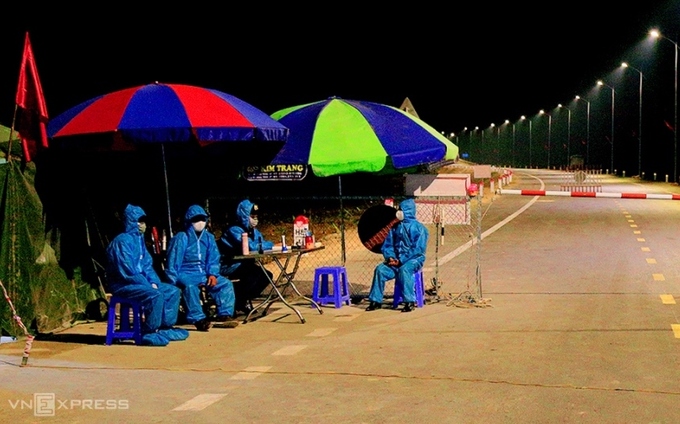
Các chốt kiểm soát Covid-19 cuối cùng ở cửa ngõ Quảng Ninh dừng hoạt động từ 0h ngày 25/3; còn tại Hải Phòng, chính quyền dừng cách ly người dân đến từ Hải Dương.
UBND thị xã Đông Triều (tỉnh Quảng Ninh) cho biết các chốt được dỡ bỏ từng đặt tại tỉnh lộ 345, cầu Vàng Chua, cầu Đông Mai, cầu Triều, cầu Đá Vách và cầu Hoàng Thạch. Đây là các chốt kiểm soát ra vào cuối cùng trên địa bàn tỉnh Quảng Ninh.
Thị xã Đông Triều cũng cho phép bến đò trên địa bàn được hoạt động trở lại từ hôm nay, 25/3.
Trước đó, ngày 23/3, thị xã Đông Triều đã cho mở lại các hoạt động kinh doanh có điều kiện như rạp chiếu phim, karaoke, vũ trường, xông hơi, bar, phòng tập gym, dịch vụ internet, trò chơi điện tử…
Doanh nghiệp, cơ sở sản xuất, kinh doanh, dịch vụ trên địa bàn thị xã được đón lao động từ tỉnh ngoài vào làm việc, với yêu cầu chấp hành quy định về phòng, chống dịch.
Chốt kiểm soát ở cầu Triều lúc chưa dừng hoạt động. Ảnh: Lê Đại
Từ ngày 28/1 đến sáng 25/3, Quảng Ninh ghi nhận 61 ca Covid-19. Đến nay, tất cả xã, phường đã được dỡ phong tỏa. Trong 44 ngày qua, Quảng Ninh không ghi nhận ca dương tính trong cộng đồng.
Tại Hải Phòng, chính quyền thông báo từ 12h ngày 25/3, người dân Hải Dương vào thành phố không phải cách ly, chỉ thực hiện khai báo y tế và tự theo dõi sức khỏe.
Chủ tịch UBND TP Hải Phòng Nguyễn Văn Tùng đề nghị người dân trên địa bàn nâng cao ý thức tự giác, tuân thủ khuyến cáo 5k của Bộ Y tế, khai báo y tế trung thực và đeo khẩu trang bắt buộc tại nơi công cộng.
Tính từ đầu năm 2021 đến 25/3, Hải Phòng ghi nhận 4 ca mắc Covid-19, trong đó 2 bệnh nhân đã khỏi bệnh, 2 bệnh nhân còn lại số 2391 và 2392 tình trạng sức khỏe ổn định.
Quân đội Myanmar công bố lời khai của cựu thủ hiến vùng Yangon Phyo Min Thein, trong đó thừa nhận hối lộ bà Aung San Suu Kyi.
Lời khai được chính quyền quân sự Myanmar công bố trong cuộc họp báo được phát trên truyền hình hôm nay. Cựu thủ hiến vùng Yangon Phyo Min Thein cho biết ông đã đến “thăm” Cố vấn Nhà nước Aung San Suu Kyi nhiều lần và đưa tiền cho bà “bất cứ khi nào cần”. Ngoài tiền mặt, Thein còn nói đã đưa vàng miếng và lụa cho bà Suu Kyi.
Chính quyền quân đội còn công bố lời khai của một thị trưởng ở vùng Naypyidaw, cáo buộc đảng Liên minhQuốc gia vì Dân chủ (NLD) của bà Suu Kyi có hành vi gian lận bầu cử bằng cách “độn” số lượng cử tri, thậm chí lên gấp ba lần ở một thị trấn.
Cố vấn Nhà nước Myanmar Aung San Suu Kyi tại phiên điều trần ở Tòa Hình sự Quốc tế năm 2019. Ảnh: AFP.
Đài truyền hình quốc gia Myanmar MRTV hôm 17/3 cũng đưa tin nhà phát triển bất động sản Maung Weik thừa nhận đã hối lộ bà Suu Kyi khoảng 550.000 USD trong năm 2019 và 2020.
Quân đội Myanmar trước đó cáo buộc bà Suu Kyi nhận hối lộ hơn 600.000 USD tiền mặt cùng 11,2 kg vàng. Tổng thống Win Myint và một số bộ trưởng trong nội các cũng bị cáo buộc liên quan tham nhũng, đặc biệt ông Win Myint đã gây sức ép lên ủy ban bầu cử để cản trở điều tra.
Ngoài cáo buộc tham nhũng, Cố vấn Nhà nước Myanmar còn bị buộc tội nhập khẩu trái phép thiết bị liên lạc và vi phạm quy tắc chống Covid-19. Bà có thể bị cấm tham gia chính trị nếu bị kết tội. Luật sư đại diện cho bà Suu Kyi và một số chính phủ phương Tây đã tuyên bố những cáo buộc này là bịa đặt.
Cố vấn Nhà nước Myanmar sẽ dự phiên điều trần trực tuyến thứ hai vào ngày 24/3. Bà Suu Kyi xuất hiện lần gần nhất qua video tại phiên tòa ngày 1/3. Hiện không rõ bà bị giam tại đâu. Có thông tin cho rằng bà bị quản thúc tại gia trước khi bị chuyển đến một địa điểm bí mật cuối tháng trước.
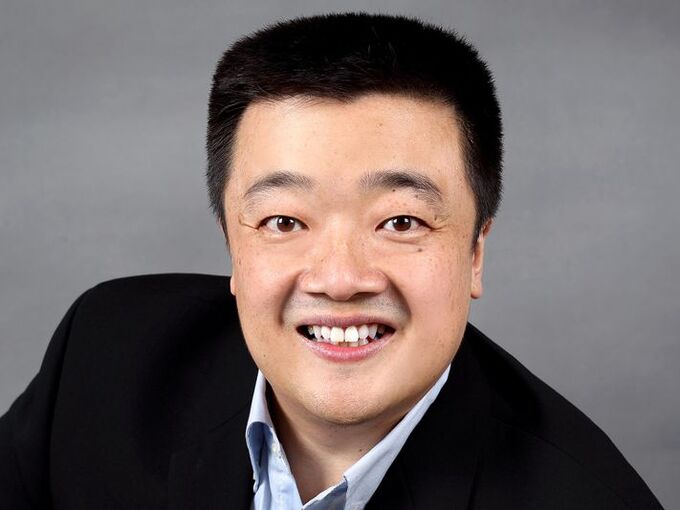
CEO sàn tiền ảo BTCC Bobby Lee cho rằng Bitcoin có thể lên 300.000 USD, nhưng sau khi đạt đỉnh, giá sẽ giảm vài năm sau đó.
Dựa trên những gì đã diễn ra trong quá khứ, Bobby Lee – CEO sàn giao dịch tiền ảo BTCC dự báo giá Bitcoin có thể chạm 300.000 USD trong chu kỳ giá lên hiện tại. Tuy nhiên, ông cũng cảnh báo bong bóng sẽ vỡ sau khi chạm đỉnh và tiền ảo này sẽ đi xuống suốt nhiều năm.
“Chu kỳ đi lên của Bitcoin diễn ra sau mỗi 4 năm. Và tôi cho rằng lần này là một cú lớn”, Lee cho biết trong cuộc phỏng vấn với CNBC, “Tôi nghĩ rằng ngay hè này, giá có thể thực sự lên 100.000 USD”. Lee hiện tại cũng là CEO ví tiền ảo Ballet.
Hai trong các “chu kỳ giá lên mạnh” đã xảy ra trong 8 năm qua. Lần cuối cùng là năm 2017, khi Bitcoin tiến sát 20.000 USD cuối năm khi đầu năm chỉ giao dịch quanh 1.000 USD. Tức là tăng 20 lần.
Tiền ảo phổ biến nhất thế giới bước vào năm 2021 với giá 30.000 USD. “Chỉ cần tăng gấp 10 thôi”, giá đã lên 300.000 USD rồi, Lee cho biết. Dù vậy, ông cũng nói rõ rằng mình không chắc lịch sử có lặp lại hay không.
Bitcoin năm nay vẫn diễn biến khá tốt, với nhiều lần lập đỉnh và vượt mốc 60.000 USD hồi tháng 3. Hiện tại, giá dao động quanh 57.700 USD trên Coin Desk
Dù vậy, Lee cũng cảnh báo “mùa đông Bitcoin” có thể kéo dài nhiều năm sau khi chu kỳ tăng hiện tại chấm dứt. “Giá sẽ giảm đáng kể. Đó là khi bong bóng vỡ vụn”, ông nói, “Trong giới tiền ảo, chúng tôi gọi đó là mùa đông Bitcoin. Quá trình này có thể kéo dài 2-3 năm”.
Nhà đầu tư nên chuẩn bị tinh thần cho việc Bitcoin giảm giá 80% – 90% từ đỉnh. “Bitcoin rất biến động. Nhưng phần thưởng cũng tương xứng, tôi nghĩ vậy”, Lee nói.



:no_upscale()/cdn.vox-cdn.com/uploads/chorus_asset/file/22749589/GettyImages_1234191487_copy.jpg)
:no_upscale()/cdn.vox-cdn.com/uploads/chorus_asset/file/22749613/GettyImages_1230493533_copy.jpg)